Transforming Campuses into Sustainable Transportation Hubs
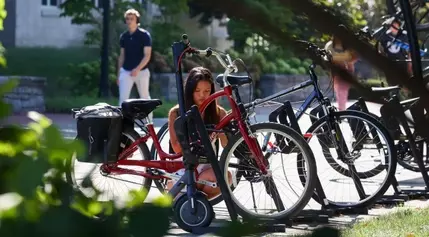
As the world grapples with the pressing need for sustainable transportation solutions, a unique opportunity lies in the heart of America's college campuses. These vibrant communities, often seen as havens for active mobility, have the potential to serve as models for the cities their graduates will eventually call home. The National Campus Bike Summit, set to take place in Lexington on October 17-18, aims to ignite a conversation about how these collegiate environments can catalyze broader change in the nation's transportation culture.Unlocking the Potential of Bike-Friendly Campuses
Bridging the Gap Between Campus and Community
Contrary to the idyllic image of car-free quads and strolling students, the reality is that many college campuses in the United States struggle to foster a truly bike-friendly environment. With a staggering 85% of students commuting to campus, often in car-dependent cities with poor public transit, the dream of a seamless, active transportation experience remains elusive. However, the organizers of the National Campus Bike Summit believe that these collegiate havens can serve as prototypes for the cities of the future, where people-centric design and sustainable mobility are the norm.
Funding the Transformation
Financing the transition to a bike-friendly campus presents unique challenges, as the necessary resources often come from a fragmented array of departments, including transportation, sustainability, student recreation, and health. The Summit will explore innovative funding models that can help campuses overcome these hurdles and invest in the infrastructure and programs that make active transportation a viable and appealing option for students, faculty, and staff.
Navigating the Regulatory Landscape
The process of transforming a campus into a bike-friendly oasis is not without its complexities. Panelists at the Summit will delve into the intricate web of state and local transportation policies, highlighting how these regulations can either facilitate or hinder the implementation of bike-centric projects. In rare cases, like the University of Kentucky's "land swap" with the city of Lexington, universities have been able to gain ownership of roads within their borders, allowing them to reshape the built environment to prioritize pedestrians and cyclists.
Cultivating a Cycling Culture
Beyond the physical infrastructure, the Summit will also explore the crucial role of campus culture in promoting sustainable transportation. Programs like the University of Kentucky's Wildcat Wheels Bicycle Library, which provides students with free access to bikes for the academic year, can help foster a sense of community and ownership around cycling. Engaging students through fun events and initiatives that showcase the joys of active mobility can be a powerful catalyst for long-term behavioral change.
Extending the Impact Beyond Campus Borders
While the unique context of a college campus offers certain advantages in the pursuit of bike-friendly design, the organizers of the National Campus Bike Summit recognize the need to bridge the gap between these collegiate havens and the surrounding communities. Discussions will focus on how higher education institutions can influence transportation outcomes beyond their own borders, potentially by incorporating bike-centric curricula into urban planning and engineering programs or by simply demonstrating the benefits of a truly people-centered transportation system.As the nation grapples with the pressing need for sustainable mobility solutions, the National Campus Bike Summit presents a timely opportunity to explore how college campuses can lead the way. By transforming these vibrant communities into hubs of active transportation, the organizers hope to inspire a ripple effect that will reverberate across the country, ultimately shaping the cities of tomorrow.