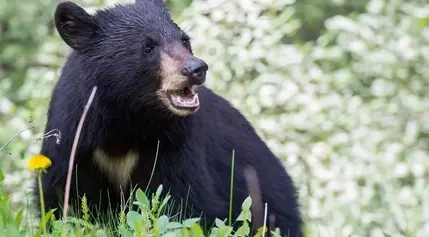
Deadly Encounter: Lexus Collides with Massive 300-Pound Bear on Connecticut Road
In a startling incident that unfolded on a Connecticut roadway, a Lexus vehicle collided with a massive 300-pound bear, resulting in significant damage to the car but fortunately no injuries to the human occupants. The crash, which occurred just after 5:30 p.m. on Chesterfield Road (Route 161), has raised concerns about the increasing interactions between wildlife and vehicles in the region.Navigating the Wilderness: Drivers Face Unexpected Challenges on Connecticut Roads
The Collision: A Sudden and Dramatic Encounter
The collision between the Lexus and the bear was a sudden and dramatic event that left the vehicle's front end significantly damaged and the airbag deployed. Authorities were quickly alerted to the incident, with the State Department of Energy and Environmental Protection Conservation Police responding to the scene to assist local law enforcement. Despite their efforts, the bear managed to flee the area, disappearing into the nearby forest.The sheer size of the bear, estimated to weigh around 300 pounds, underscores the potential danger that wildlife can pose to unsuspecting drivers on Connecticut's roads. These encounters, while rare, can have devastating consequences, both for the animals and the occupants of the vehicles involved.
Increasing Wildlife Sightings: A Growing Concern for Drivers
The incident on Chesterfield Road is not an isolated event, but rather a reflection of a broader trend in Connecticut. As human development encroaches on natural habitats, wildlife sightings, particularly of larger animals like bears, have become more common in the state. This increased proximity between humans and wildlife has led to a rise in the number of vehicle-animal collisions, posing a significant threat to both drivers and the animals themselves.Experts attribute this trend to a variety of factors, including habitat loss, urbanization, and the natural expansion of certain animal populations. As these animals are forced to adapt to changing environments, they often find themselves navigating the same roads and highways that humans use, leading to potentially dangerous encounters.
Navigating the Challenges: Strategies for Drivers and Authorities
In response to the growing concern over vehicle-animal collisions, authorities and transportation officials have implemented various strategies to enhance driver safety and protect wildlife. These efforts include increased signage, wildlife crossing structures, and public awareness campaigns to educate drivers on the importance of being vigilant and prepared for unexpected encounters.Additionally, conservation agencies and law enforcement work closely to monitor and respond to reports of wildlife sightings, with the goal of minimizing the risk of collisions and ensuring the safety of both drivers and animals. However, the sheer size and unpredictability of larger animals like bears present unique challenges that require a multifaceted approach.
Balancing Priorities: Protecting Wildlife and Ensuring Safe Roads
As the issue of vehicle-animal collisions continues to evolve, policymakers and stakeholders must navigate the delicate balance between protecting wildlife and ensuring the safety of drivers on Connecticut's roads. This requires a collaborative effort between various agencies, transportation authorities, and the public to develop comprehensive solutions that address the root causes of these incidents.Strategies may include habitat conservation, improved road design, and enhanced public education campaigns to raise awareness and promote responsible driving practices. By working together, communities can strive to create a safer and more harmonious coexistence between humans and the natural world, reducing the risk of tragic encounters like the one that occurred on Chesterfield Road.