The Evolving Landscape of School Lunches: A Battleground for Nutrition, Politics, and Social Equity
From the early 20th century to the present day, the school lunch program has been a complex and contentious issue, reflecting the intersection of science, politics, health, and culture. As the government mandated compulsory education, the question of whether it should also provide meals for students has been a subject of ongoing debate and policy changes. This article delves into the rich history of school lunches, exploring the conflicts, innovations, and social implications that have shaped this essential aspect of the education system.Uncovering the Untold Story of School Lunches: A Battleground for Nutrition, Politics, and Social Equity
The Roots of School Lunch Programs: Balancing Nutrition and Equity
The origins of school lunch programs can be traced back to the late 19th century, when populations were shifting from agricultural areas to urban centers for factory work. Business leaders, recognizing the importance of a productive workforce, turned to emerging research in nutrition science to determine the essential components for sustaining workers. This focus on "fuel" for the Industrial Revolution soon extended to the education system, as the government's compulsory schooling policies raised questions about the responsibility to feed students.The early 20th century saw the establishment of school lunch programs in cities like Philadelphia and Boston, with the Starr Centre Association in Philadelphia pioneering the "penny lunch" system. These programs were driven by a desire to ensure that children, particularly those from low-income families, had access to nutritious meals during the school day. However, the implementation of these initiatives was not without its challenges, as schools grappled with the logistics of menu planning, food procurement, and serving logistics.The Evolving Landscape of School Lunch Policies: From Surplus to Standards
The school lunch landscape underwent significant changes in the 1930s and 1940s, as global forces shaped the program's development. Advances in agricultural science, particularly the use of synthetic fertilizers, led to a surge in food production. The government, seeking to support farmers during the Great Depression, began purchasing surplus agricultural products and donating them to schools, giving birth to the concept of the free lunch.The urgency of World War II further catalyzed the need for nutrition standards, with President Franklin Roosevelt convening a National Nutrition Conference for Defense to ensure that "fighting men of our armed forces, workers in industry, families of those workers, every man and woman in America, must have nourishing food." This laid the groundwork for the National School Lunch Act of 1946, signed by President Truman, which provided free or low-cost lunches to eligible students.However, the implementation of this landmark legislation was not without its challenges. Some local administrators were able to perpetuate racial inequities by selectively distributing federal assistance, resulting in less than a third of American schoolchildren being fed at school by the end of the 1950s.The Ongoing Battles over Nutrition Guidelines and Lobbying Influence
The school lunch program has been a battleground for various stakeholders, including the USDA, food and agricultural industries, and policymakers. Over the decades, the USDA has tinkered with its nutritional guidelines, fluctuating between four and twelve food groups, before settling on the familiar MyPlate model in more recent years.Lobbyists for various industries have consistently pushed back against changes to federal nutrition recommendations, fearing that alterations could impact the consumption of certain foods. One of the most infamous examples was the Reagan administration's decision in 1981 to allow ketchup to be considered a vegetable in school lunches, a move widely mocked at the time but later echoed in the USDA's decision to count pizza with at least two tablespoons of tomato paste as a vegetable.These policy decisions have highlighted the complex interplay between science, politics, and the influence of powerful industry interests in shaping the nutritional landscape of school lunches.The Lasting Impact of School Lunch Programs: Nutrition, Equity, and Beyond
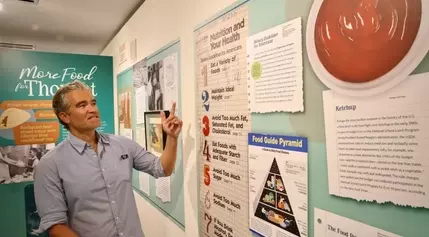
The school lunch program has evolved significantly over the decades, reflecting the changing priorities and challenges of the education system. While the initial focus was on ensuring that children, particularly those from low-income families, had access to nutritious meals, the program has also become a battleground for broader social and political issues.The universal free lunch policies implemented in some areas, such as Philadelphia, have aimed to address issues of equity and accessibility, ensuring that all students have access to healthy meals regardless of their family's financial situation. However, these efforts have faced resistance from some policymakers who view them as federal overreach or a threat to traditional school operations.Beyond the nutritional and political aspects, the school lunch program has also had a lasting impact on the food industry. Military research during World War II led to the development of various food products, such as the cheese powder used in Cheetos and the candy shell coating on M&Ms, which were designed to withstand the rigors of field rations.As the school lunch program continues to evolve, it remains a complex and multifaceted issue that reflects the broader societal debates surrounding nutrition, equity, and the role of government in education. The exhibition "Lunchtime: The History of Science on the School Food Tray" at the Science History Institute provides a fascinating glimpse into the rich and often contentious history of this essential component of the education system.New
34.8K
2.8K
528
Lifestyle



49.6K
4K
1.2K
Games


20.7K
1.7K
480
Games



2.9K
292
29
Games

12.1K
723
108
Entertainment